
Digestive discomfort. Bloating. Immune health. Even mood and energy levels. These may seem like completely different aspects of wellness. But scientists now understand they have something important in common: your gut microbiome.
For years, probiotics have been the star of gut health. However, they are only one piece of a much bigger picture.
Inside your digestive tract is a thriving community of trillions of microorganisms working around the clock. Together, they help support digestion, immune function, nutrient absorption, and communication throughout the body. Keeping this ecosystem healthy isn’t just about taking probiotics. It depends on a team of nutrients working together to help your microbiome thrive.
That understanding didn’t happen overnight. Our knowledge of the gut microbiome has evolved dramatically over the past several decades.
Years ago, probiotics became one of the biggest trends in digestive health because they help replenish beneficial gut bacteria. Then researchers uncovered another important piece of the puzzle: probiotics don’t work alone. Like any living organism, they need nourishment to survive and thrive. That’s where prebiotics come in.
More recently, scientists made another exciting discovery. Many of the health benefits associated with a thriving microbiome are not only due to the probiotics themselves. They also come from the beneficial compounds these microbes produce as they interact with prebiotics. These compounds, known as postbiotics, are gaining attention for their role in supporting gut barrier function, immune health, and a balanced inflammatory response.
Together, these discoveries have transformed the way experts think about gut health. Instead of focusing on a single ingredient, today’s science supports a more comprehensive approach that recognizes the unique roles prebiotics, probiotics, and postbiotics each play in supporting a healthy, resilient microbiome.
Prebiotics: Feed
Prebiotics are non-digestible fiber or plant carbohydrates (found in things like oats and legumes) that the body cannot break down. Instead, they travel through the small intestine and reach the colon, where beneficial bacteria consume and ferment them, fueling their growth and increasing microbial diversity.
Fiber-rich whole plant foods like legumes, whole grains, and various fruits and veggies are a good way to increase your consumption of prebiotics. For an easy daily boost, complement your diet with SmartMix®, which provides prebiotic fiber from moringa and chicory root, and FiberPro™, a convenient way to increase your overall fiber intake and support digestive health. †
Probiotics: Seed
Probiotics are live, healthy microorganisms (like bacteria and yeasts) that provide health benefits when consumed in adequate amounts. They actively introduce good bacteria into your gut to help maintain a healthy microbial balance—supporting digestion, immunity, and overall gut health while crowding out harmful bacteria.
Increase your probiotic consumption with fermented foods, which are natural sources of living microbes. Yogurt, kefir, kimchi, kombucha, and sauerkraut are all great options.
To make daily gut support even easier, complement your diet with Triotic™, which delivers three probiotic strains; FiberPro, which combines prebiotics and probiotics to help nourish your gut microbiome; and BEA™ Biotics, a delicious, caffeine-free sparkling beverage that provides probiotics, fiber, and adaptogenic ingredients to support digestive wellness.†
Postbiotics: Strengthen
Think of postbiotics as the helpful compounds created when beneficial bacteria feed on prebiotics and grow. They also include non-living parts of beneficial bacteria that can continue to provide health benefits.
As probiotics break down prebiotic fiber, they produce beneficial substances such as short-chain fatty acids (SCFAs), enzymes, peptides, and other compounds. These compounds help support a strong gut lining, healthy immune function, and a balanced inflammatory response. Research also suggests that postbiotics may help support communication between the gut and brain, which can benefit overall wellness.
Today, advances in nutritional science make it possible to include carefully selected postbiotic ingredients directly in supplements, providing another convenient way to help support a healthy gut.
Pre-, Pro-, and Postbiotics: Better Together
Prebiotics, probiotics, and postbiotics work together to create a strong foundation for gut health. Prebiotics nourish beneficial bacteria, probiotics help replenish your microbiome, and postbiotics are the beneficial compounds produced through this interaction that help support gut barrier function, immune health, and a balanced inflammatory response.
Think of your gut like a thriving garden. Prebiotics provide the nourishment (nutrient-rich soil), probiotics are the living microorganisms that grow and flourish (seeds & plants), and postbiotics are the beneficial compounds produced as the garden thrives (harvest). Together, they create a healthier, more resilient ecosystem that supports digestion, immune health, and overall wellness.
While eating a diet rich in fiber-filled plant foods and fermented foods is one of the best ways to support your microbiome, supplements can help fill nutritional gaps and make consistent daily support easier.
Products like Isagenix’s Triotic combine prebiotics and probiotics to help nourish and replenish beneficial bacteria. As these bacteria feed on prebiotics and flourish, they naturally create postbiotics, beneficial compounds that help support a healthy gut and immune system.
Tribiotic formulas marked an important step forward by recognizing that gut health is about more than just probiotics. A healthy microbiome depends on prebiotics, probiotics, and postbiotics working together.
Going Beyond Just Gut Health
As research continues, scientists are learning even more about how to support the gut. They now know that certain bioactive proteins involved in immune health and gut barrier function can work alongside prebiotics, probiotics, and postbiotics.
One of the most promising is lactoferrin, a naturally occurring protein found in human breast milk and other mammalian milks. Researchers are studying its potential to help support the gut barrier, microbiome, and a healthy immune system.
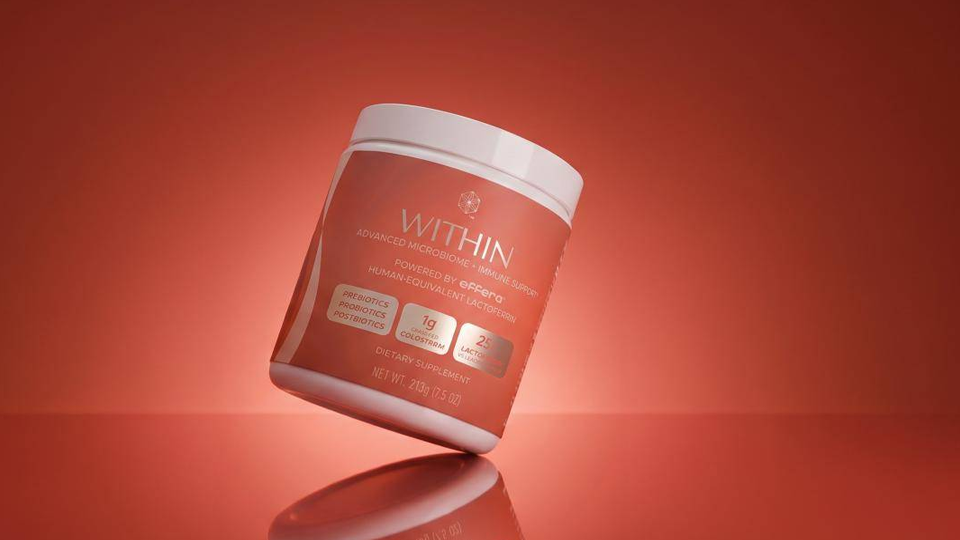
This growing understanding of the microbiome inspired the development of WITHIN™. WITHIN combines prebiotics, probiotics, postbiotics, grass-fed bovine colostrum, and human-equivalent effera® lactoferrin in one daily routine. Together, these ingredients are designed to help support digestion, immune health, recovery, and a healthy gut microbiome.†
Supporting your microbiome is more than adding beneficial bacteria. It’s about nourishing an entire ecosystem with the nutrients and bioactive ingredients it needs to thrive. As microbiome science continues to advance, researchers are discovering new ways to support this complex system.
WITHIN is built on the latest evolutions in microbiome science, bringing together advanced ingredients that work in harmony to support your gut microbiome, immune system, recovery, and whole-body wellness.†
†These statements have not been evaluated by the Food and Drug Administration. The products discussed are not intended to diagnose, treat, cure, or prevent any disease.